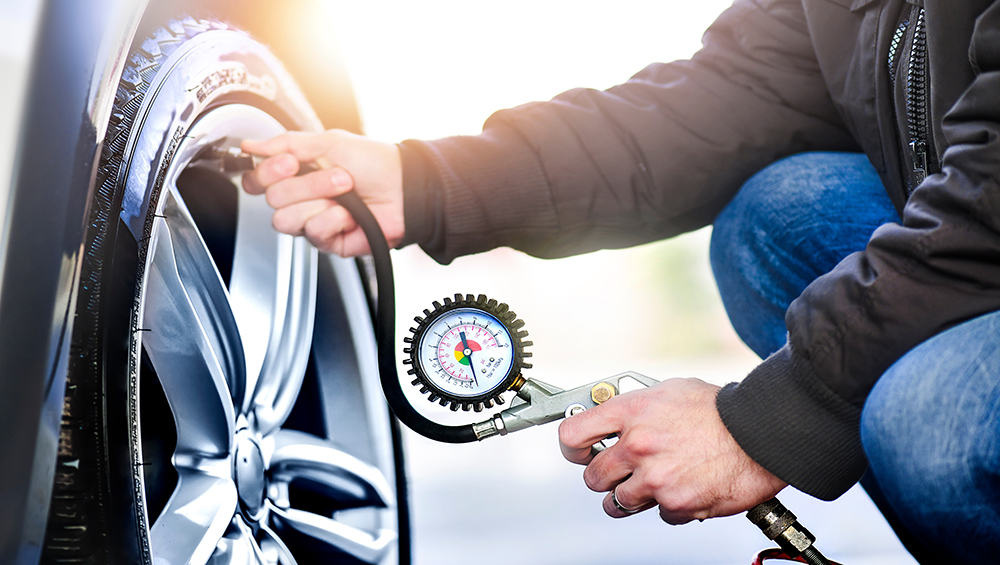
Keeping your tires properly inflated is one of the simplest yet most important parts of vehicle maintenance. At Casey’s Tire & Brake, we often remind drivers that tire pressure affects everything from safety and handling to comfort and fuel efficiency. Understanding the role PSI (pounds per square inch) plays can help you protect your tires—and your wallet.
What Is the Correct Tire Pressure?
Your vehicle’s recommended tire pressure can typically be found on the driver’s door jamb, in your owner’s manual, or on the tire itself. Maintaining that PSI ensures your tires perform the way they were designed to.
A few tips for accurate tire pressure checks:
- Always check tire pressure when the tires are cold, ideally first thing in the morning.
- Remember that temperature changes affect PSI. Cold weather lowers pressure; warm weather increases it.
- Use a reliable, good-quality tire gauge for the best reading.
Why Proper Tire Pressure Matters
Your tires—alongside your brakes—are essential safety components. When they’re properly inflated, you’ll enjoy smoother handling, better traction, and improved stopping power. Ignoring tire pressure can cause several problems:
Safety
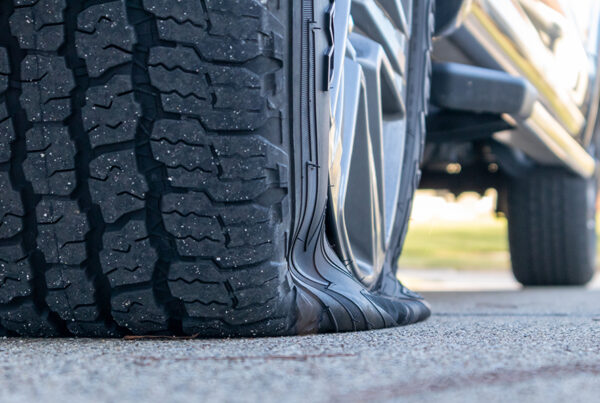
Underinflated tires create more friction with the road, causing heat buildup that can lead to tire failure or blowouts. This loss of stability can increase the risk of accidents.
Comfort
Overinflated tires reduce the amount of tread touching the road, leading to a harsh, bumpy ride and reduced traction—especially when braking.
Tire Longevity
Incorrect PSI causes uneven wear. Overinflated tires wear more in the center, while underinflated tires wear on the outer edges. Both shorten the overall lifespan of your tires, meaning you’ll need replacements sooner.
Fuel Efficiency
Low tire pressure increases rolling resistance, which means your engine has to work harder—resulting in decreased gas mileage and higher fuel costs.
How to Maintain Proper Tire Pressure
To keep your tires performing their best:
- Inflate your tires to the PSI recommended by the manufacturer—not higher, not lower.
- Check your tire pressure monthly or whenever you fill up your gas tank.
- Keep a handheld gauge in your vehicle for quick checks.
- If you notice low tire pressure, visit a gas station air pump or stop by Casey’s Tire & Brake for a tire pressure check.
Visit Casey’s Tire & Brake for Professional Tire Pressure Service
Proper tire pressure is essential for safety, fuel efficiency, and extending the life of your tires. At Casey’s Tire & Brake, our technicians will check your PSI, make any necessary adjustments, and ensure your tires are ready for the road. Don’t put your safety or fuel economy at risk—keep your tires properly inflated with help from our trusted team.